In Chapter 3 of Ron Burnett’s How Images Think I was reminded of the element of subjectivity in images and how this impacts the way in which we may use them. Necessarily, images have an element of vagueness. The vagueness is not only the inherent collateral of taking a sight out of context but also a powerful tool that can prompt visualization with varying degrees of success. The purpose of an image is not depicting reality, it is inspiring the viewer to think about their own reality. So, to a certain extent, the more vague an image is, the more potential it has to resonate with a viewer. Therefore, the concepts of virtual reality and images pose an interesting contradiction.
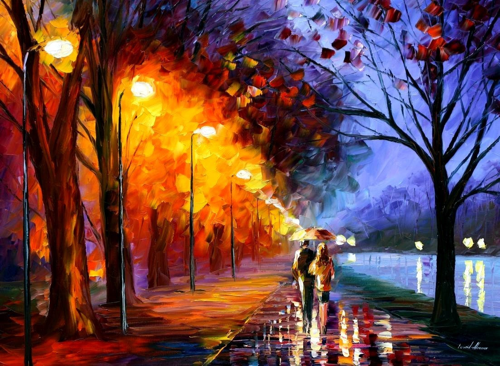
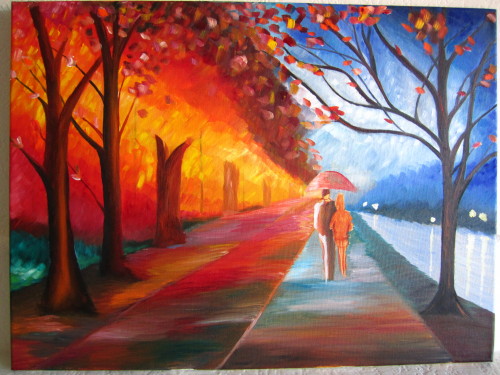
On one hand, the use of images in virtual reality has incredible potential because it allows for a degree of personalization and a depth of understanding that can match, and in some respects exceed, a person’s relationship with reality. A simulation has the potential to bring a person’s experience closer to their imagination, not only though responsive programming but also through the nature of images themselves and the range of personal visualizations that can be experienced. The contradiction, however, is that through this process, the simulated world has taken a significant step away from “reality”. In an experience such as gaming, where virtual imaging is at its finest, this does not have much of an impact because the users are arguably hoping to substitute their reality in such a manner. However, once we move into areas where virtual images are used to depict reality, and used in the hopes of communicating information, there are much more profound issues. Using images to represent reality is in a sense creating a virtual reality that has the same implications of those in games. The meaning is conveyed as only an interpretation and the viewers are largely left to see the reality as they may. Consequently, the “reality” loses it’s defining sense of standardization because of the fact that it’s virtual. Because of this contradiction, one may be led to think that virtual images are limited in their ability to communicate a distinct message. I, however, believe the opposite is the case.
George Orwell wrote an interesting article on the practice of obfuscation. He claimed that the practice of using big, obscure words in writing served a powerful literary purpose. Making a paper intentionally difficult to read, he said, creates a vagueness that allows the reader to invent their own meaning out of certain words, bring the paper closer to their imagination, and cause it to resonate with their ideas more easily. Orwell used this argument in coordination with his idea of vocabulary as the limiting factor in knowledge and thought. The more broad a vocabulary, the more possibility there was to express knowledge.
If we think of images alongside language as a way of creating knowledge, I’m inclined to believe that virtual images serve an analogous purpose and the broad vagueness is similarly empowering. The more ways images can be used and interpreted in coordination with reality, the more capacity there is for deriving meaning.